The World
Quantum Computers Actually Work Differently
Quantum computers are genuinely different from ordinary computers, but the gap between laboratory promise and real-world impact is still large.
The World
Quantum computers are genuinely different from ordinary computers, but the gap between laboratory promise and real-world impact is still large.
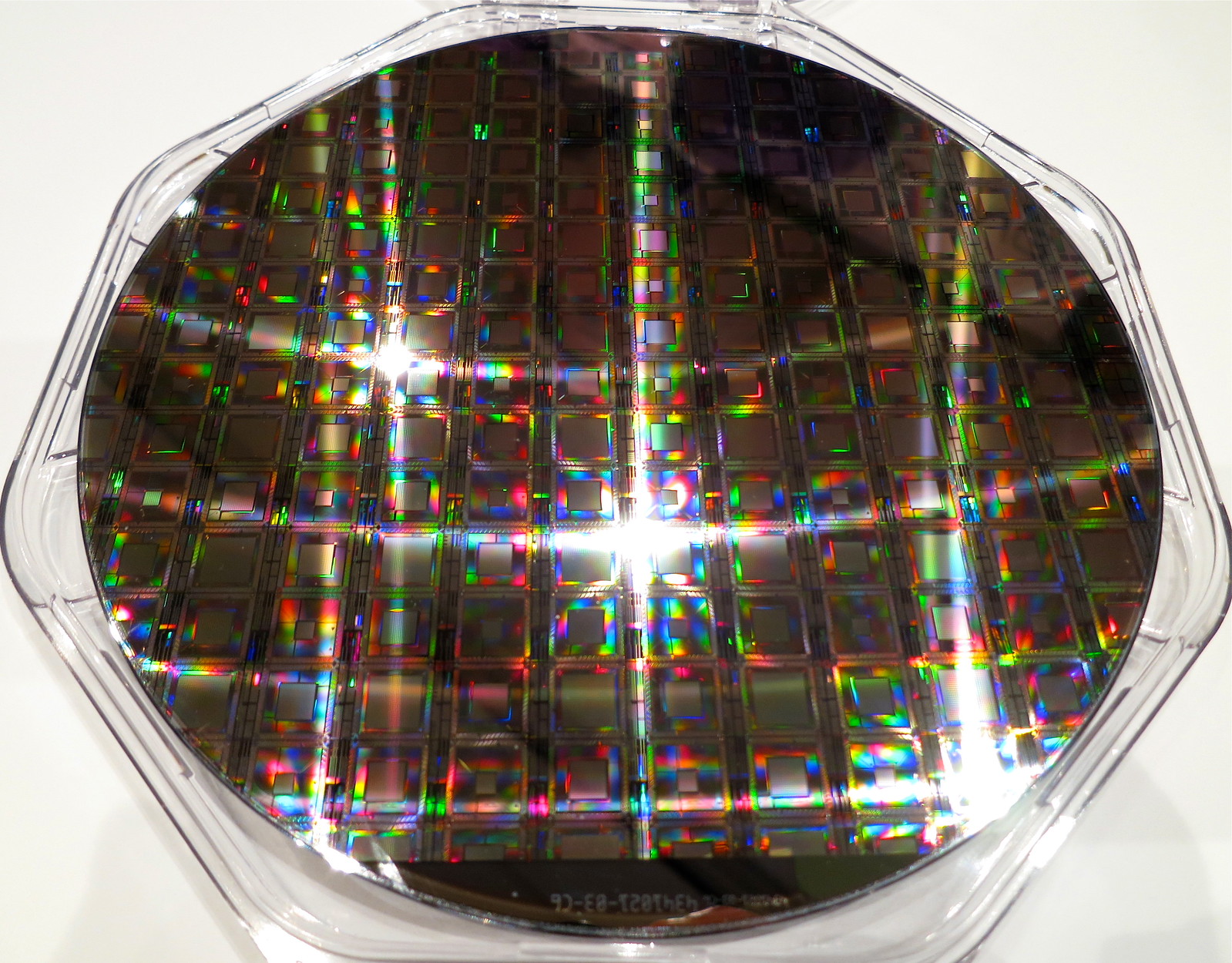
Quantum computing sits at an unusual intersection: one of the most hyped technologies of recent years and, at the same time, one of the most genuinely interesting scientific developments in decades. The challenge is separating what is real from what is marketing. A useful place to start is with what a quantum computer actually is, which is quite different from a faster version of the laptop on your desk.
Ordinary computers store information as bits, each of which is either a 0 or a 1. Quantum computers use quantum bits, or qubits, which can exist in a superposition of 0 and 1 simultaneously. This property, combined with quantum entanglement (where the state of one qubit can be correlated with another regardless of distance) and quantum interference (which lets calculation paths be amplified or cancelled), allows quantum computers to explore many possible solutions to a problem at the same time, in ways that are not simply 'faster' but structurally different.
The result is that for certain specific types of problems, quantum computers can in principle perform calculations that would take classical computers an impractically long time, even with unlimited resources. These problems include simulating molecular behaviour (relevant to drug and materials discovery), optimising extremely complex systems, and breaking some forms of encryption that underpin much of today's internet security.
The honest picture is that quantum computers today are still in an early and fragile state. Current machines suffer from high error rates; qubits are sensitive to the slightest environmental interference, a property called decoherence. Keeping qubits stable requires extreme cold and isolation. Researchers and companies are working to increase qubit counts and reduce error rates, but a fault-tolerant, general-purpose quantum computer capable of outperforming classical computers on practical problems does not yet exist.
What does exist are quantum computers useful for research and for demonstrating the principles involved. A small number of specific laboratory experiments have achieved what researchers call 'quantum advantage', meaning the quantum device solved a particular problem faster than any known classical approach. Whether those tasks translate to commercially or strategically important problems is still an open question.
Despite the caveats, governments and large technology companies are investing significant sums in quantum research. The strategic reason is clear: a sufficiently powerful quantum computer could break widely used encryption standards, creating both a serious security risk and a major intelligence advantage for whoever achieves it first. This has prompted work on post-quantum cryptography, which involves developing new encryption methods designed to be secure even against quantum attacks.
Australia has an active quantum research community, with several universities running significant quantum programmes and government funding directed at both fundamental science and commercialisation. The Australian government has identified quantum technology as a critical technology of strategic concern, meaning it is subject to export controls and investment screening. Practically, Australian banks, government agencies, and defence institutions will eventually need to migrate sensitive systems to post-quantum encryption standards, a process that will take years and requires planning that is already underway internationally.
Quantum computing is real science with a genuine long-term future, but timelines to practical, large-scale impact are measured in years to decades, not months. The most urgent near-term issue is not what quantum computers can do today, but how organisations prepare for the encryption risks they will eventually pose.
Spread the word
About this articleBeta
Published by The Daily Geelong
More from The World
The Daily Network — local news across Australia